Marrakesh–Timbuktu
Exhibition design for the Bert Flint collection in Marrakech
CLIENT
Marrakesh–Timbuktu
Speaking Objects
TYPE
Exhibition design
Display furniture
YEAR
2025–2026
Within a riad in Marrakech’s medina, the objects brought together by Bert Flint reveal connections between Amazigh, Saharan and West African cultures. Textiles, jewellery, sculptures and everyday objects reflect skills, practices and sensibilities that echo one another along ancient caravan routes.
Developed in collaboration with Joost Flint, the late collector’s nephew, Younes Duret’s exhibition design carries this legacy forward. It invites visitors to observe, compare forms and discover relationships between the pieces. One intention guides the project: allowing emotion to spark curiosity and open the way to understanding.
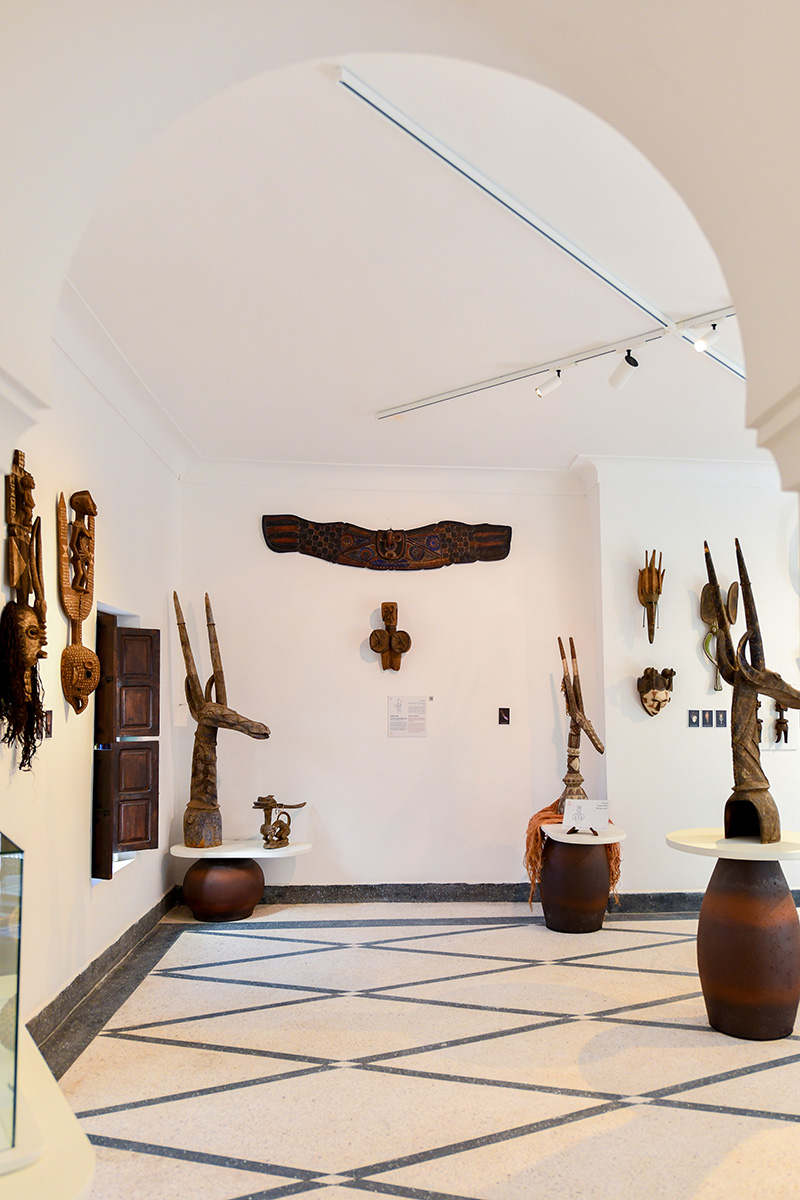
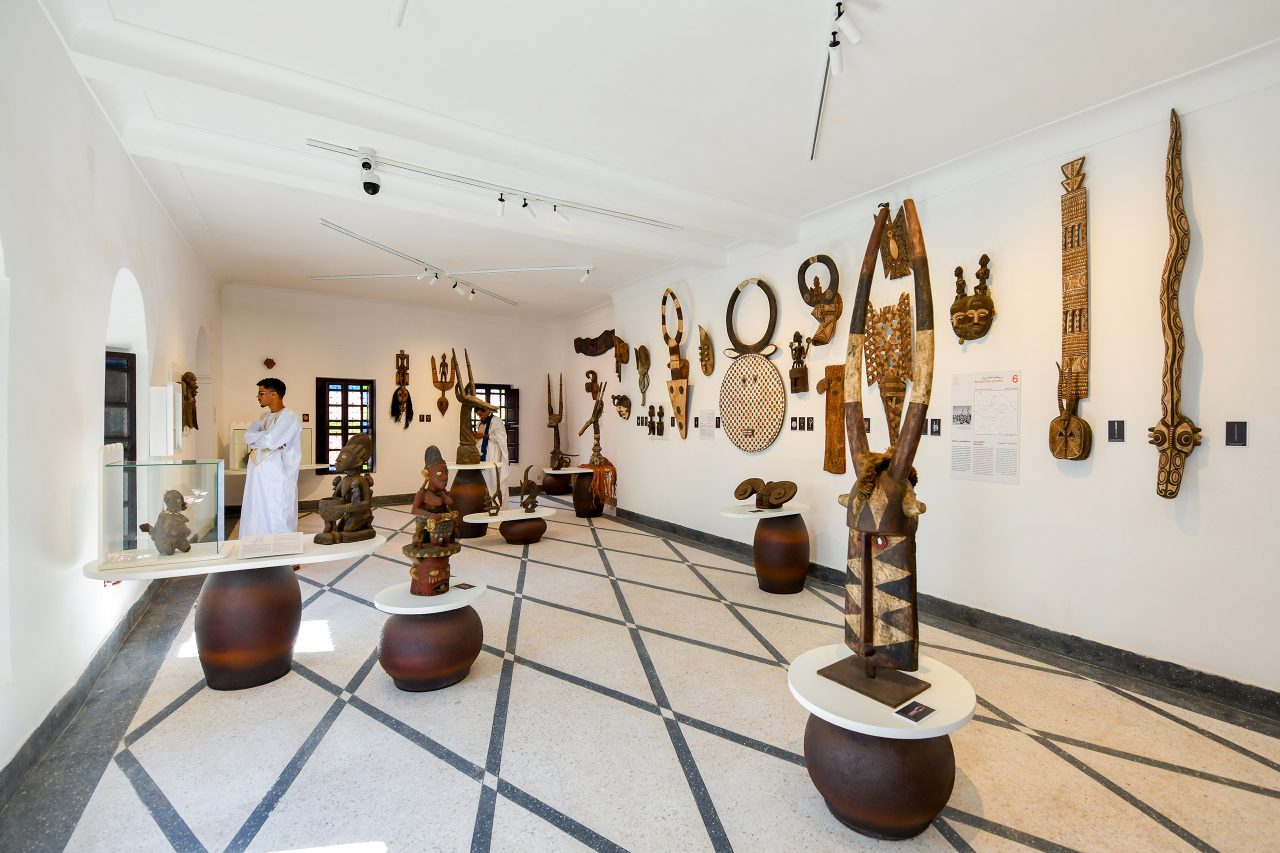
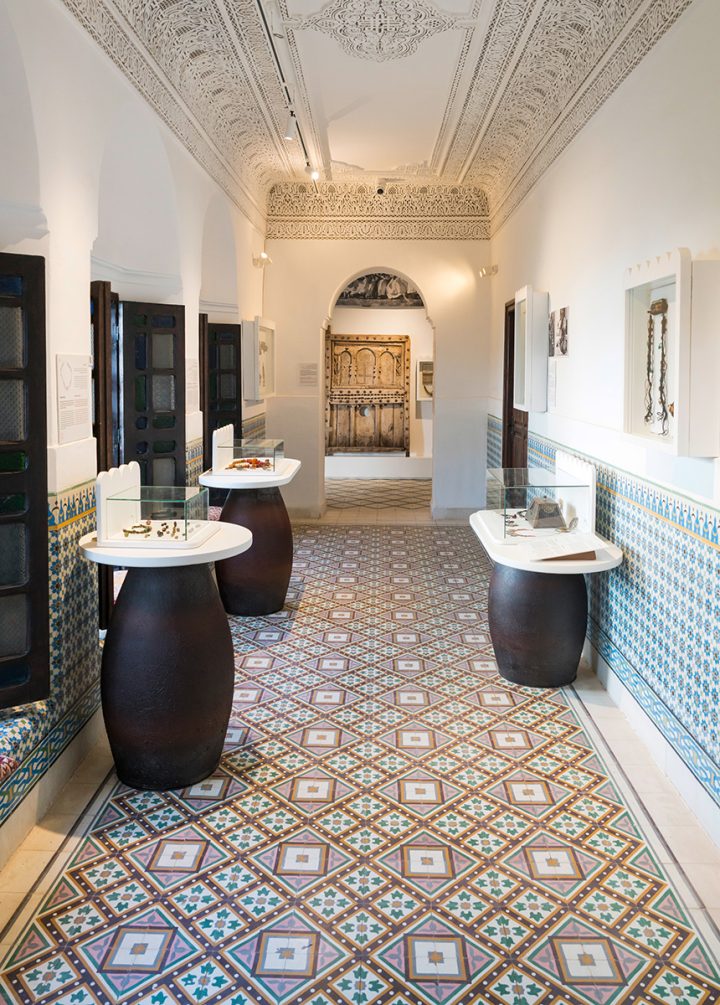
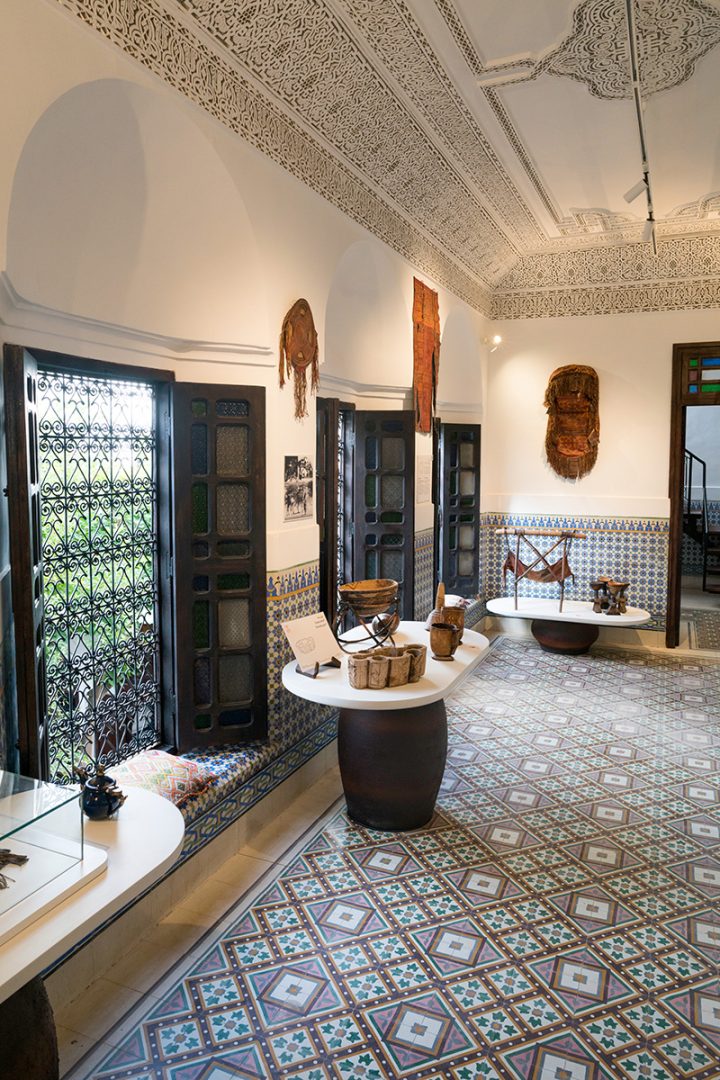
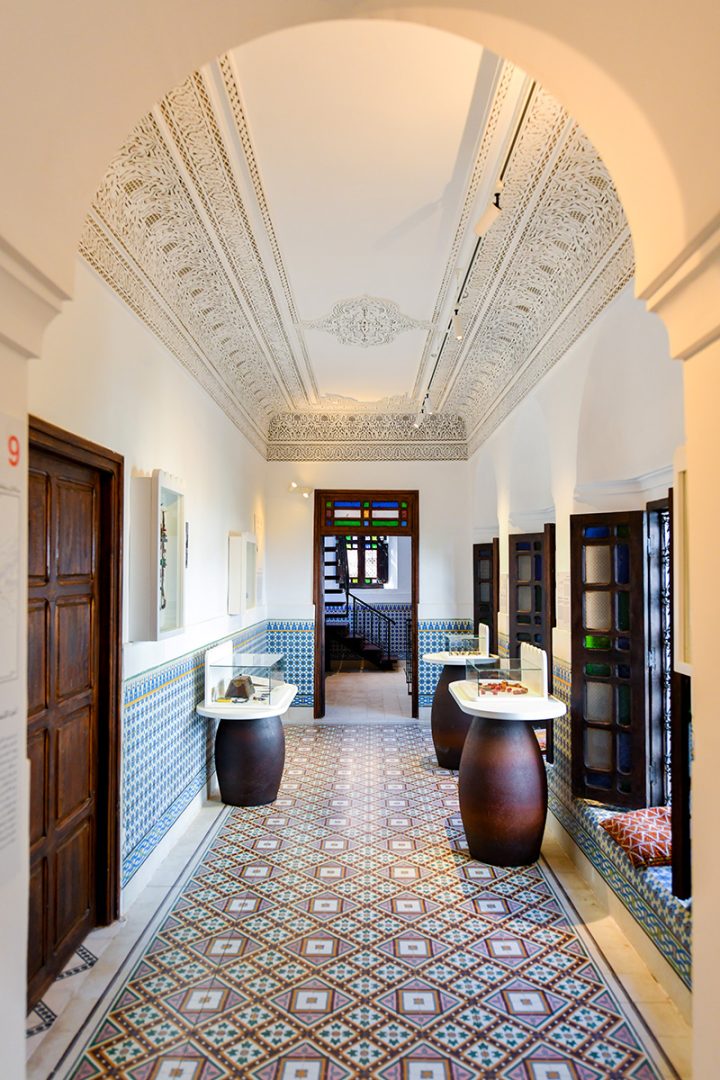
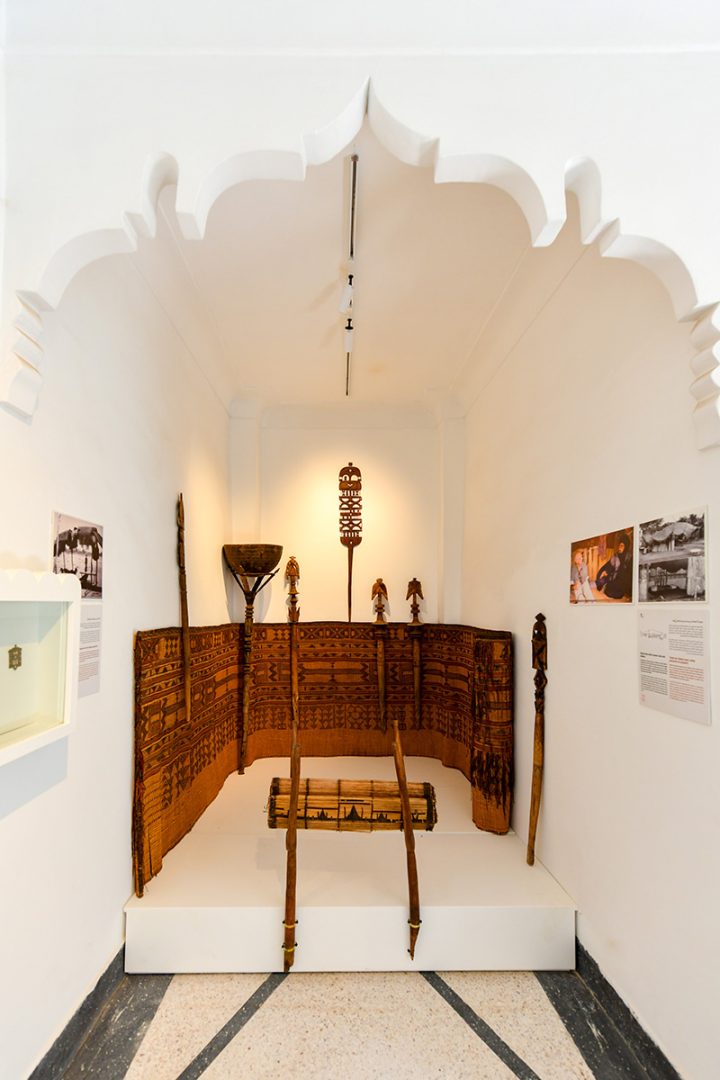
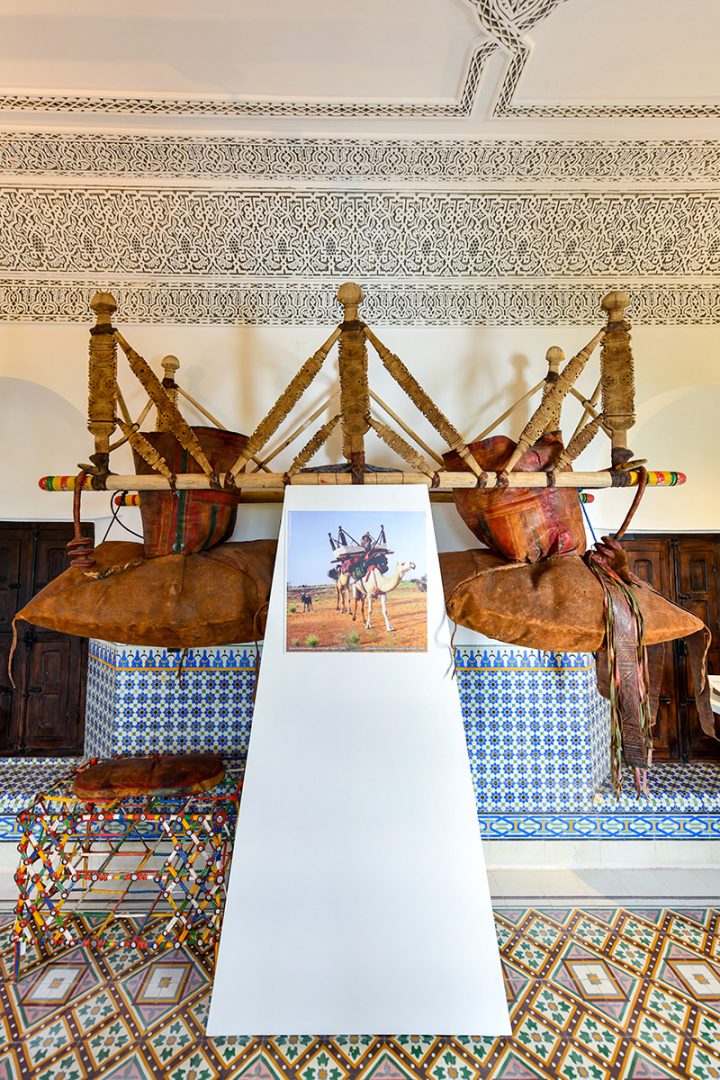
To accommodate the collection, the designer creates a family of durable, modular display furniture. Its organic lines bring a sense of softness and life, while respecting the individuality of the objects and the character of the house.
⟶ Exhibition design and the creation of modular display furniture: tables, plinths, wall-mounted supports and display cases.
Bert Flint
« Things came to me through objects; they questioned me, sparked my curiosity and aesthetic sensibility, drawing me in both visually and intimately. »
Credit photo Marrakesh-Timbuktu.com
Credit photo Marrakesh-Timbuktu.com
Credit photo Marrakesh-Timbuktu.com
Credit photo Marrakesh-Timbuktu.com
Credit photo Marrakesh-Timbuktu.com
Credit photo Marrakesh-Timbuktu.com
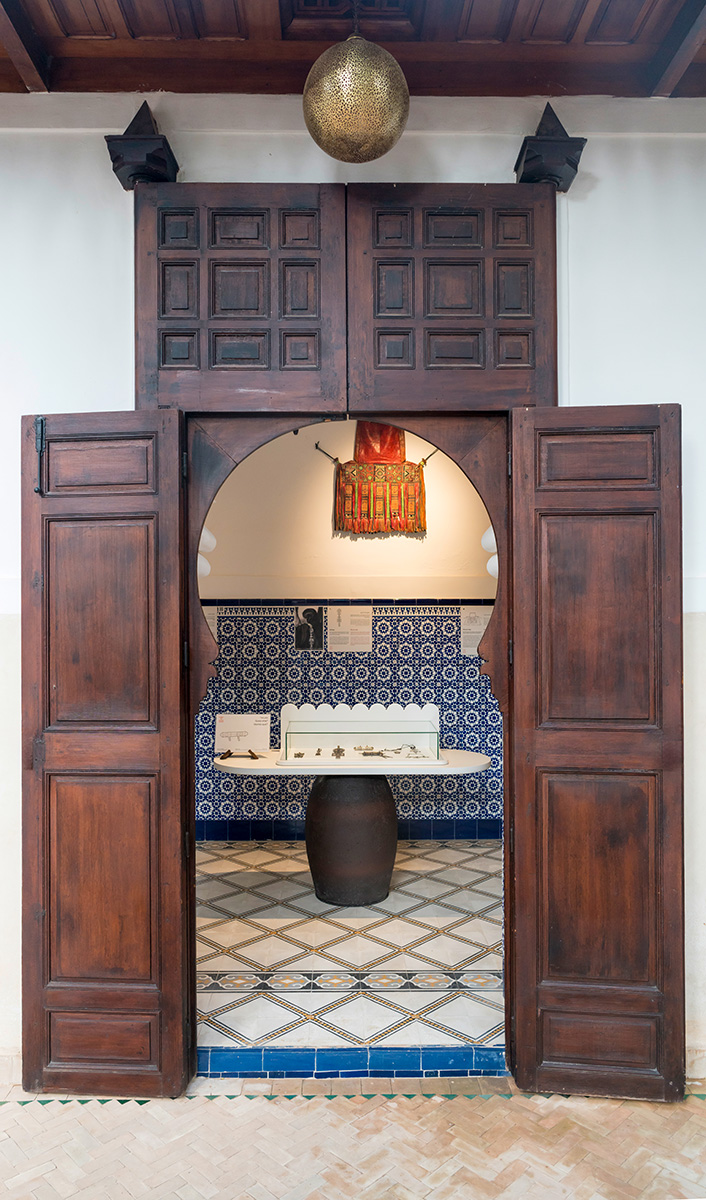
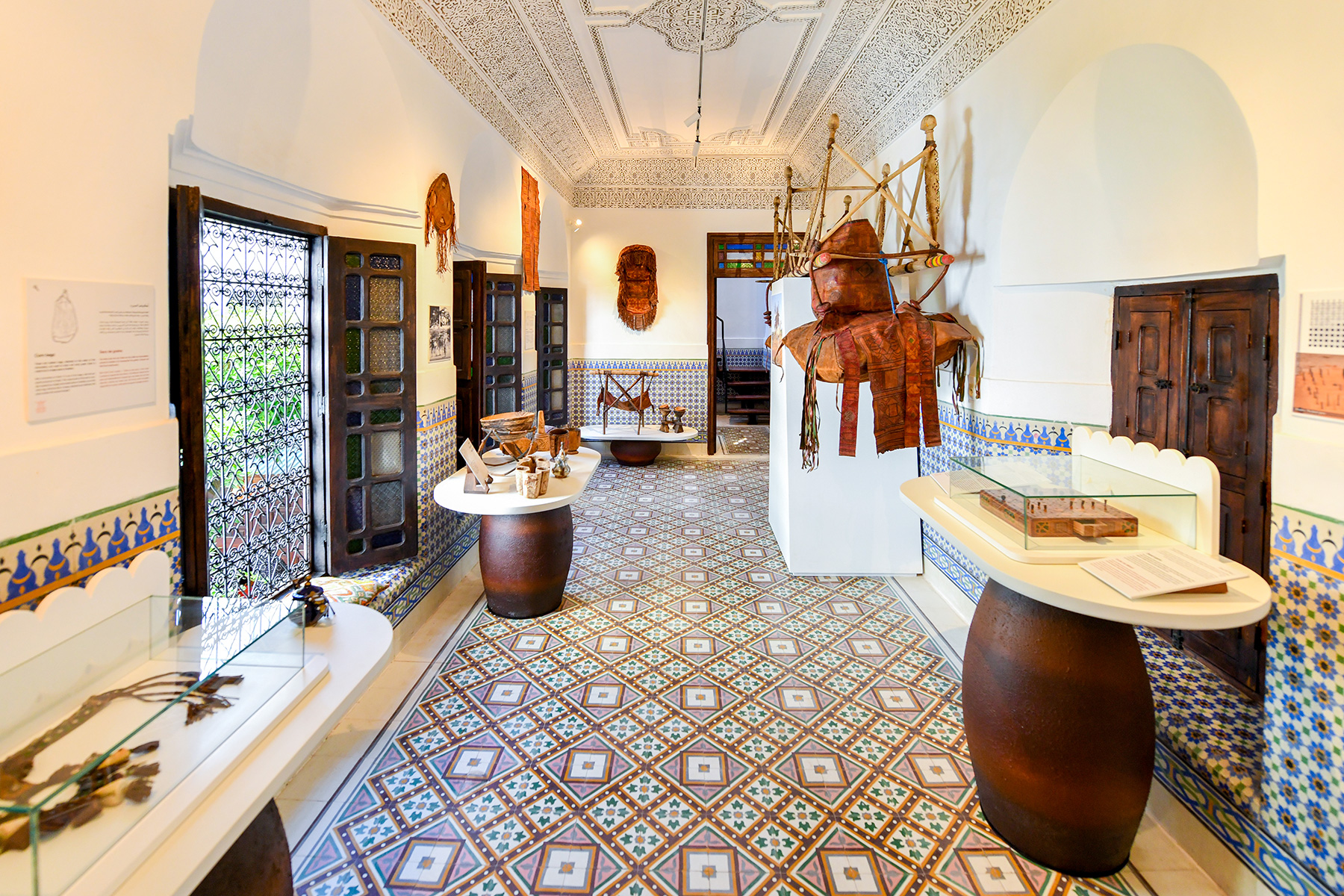
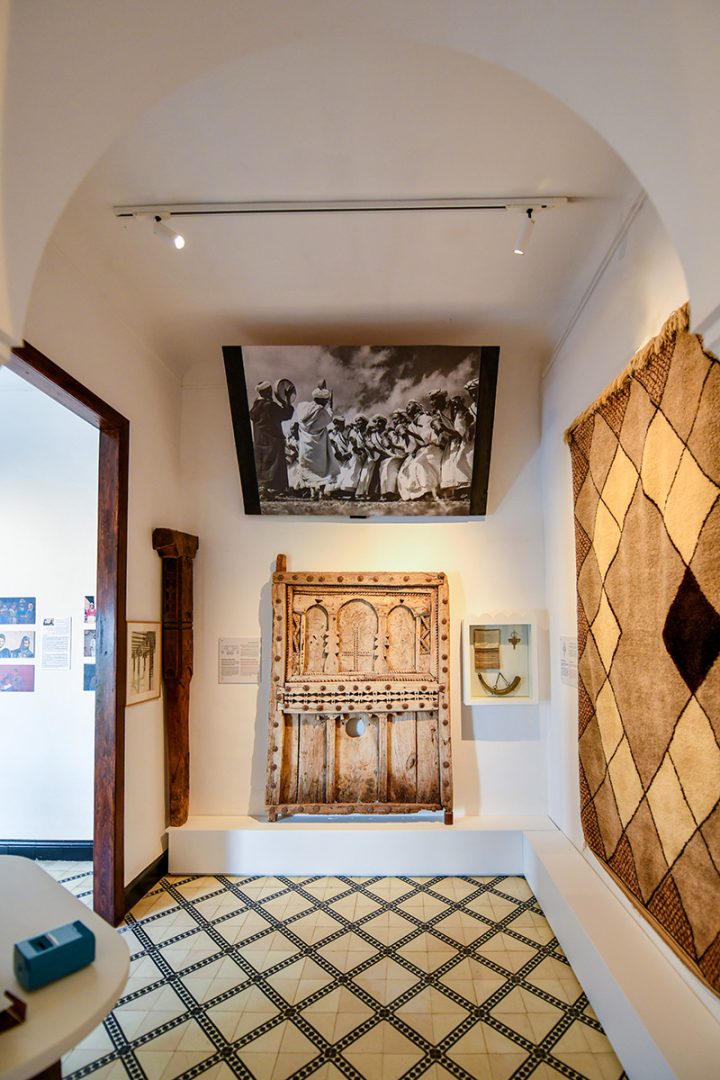
Presenting the Bert Flint collection in a traditional riad means working with an architectural setting that already has its own aesthetic identity. The proportions of the rooms, openings onto the courtyard, sightlines and decorative details shape a place originally designed as a home. Younes Duret’s approach begins with this distinctive character: preserving the intimacy of the house while creating a clear and sensitive setting in which to discover the objects. Each room becomes a place of encounter, where the positioning of the furniture, the distances between pieces and the visual breathing space guide the visitor’s attention. Circulation draws on the riad’s layout, allowing visitors to move forward, pause and return to an object. A balance emerges between the presence of the collection, the character of the building and the freedom to look and explore.
The furniture extends this search for balance through a design language that is both precise and organic. The bases and tabletops are developed from carefully defined curves, varied across different profiles, heights and proportions. This geometry produces soft, generous volumes that evoke the natural world. Tables, plinths, wall-mounted supports and display cases form a coherent family, accommodating the diversity of the collection while maintaining visual continuity. The height of a display, the outline of a tabletop or the space around a sculpture directs the eye and brings details into focus. The supports also help reveal relationships between the objects: one form can echo another, a motif suggest a function, or a material hint at a connection. The furniture supports these correspondences with a measured presence, allowing the expressive power of the objects to come through.
This family of furniture is also designed to support the collection over time. Although the exhibition is permanent, the selection on display can evolve: the full range of objects gathered by Bert Flint cannot be shown at once. Younes Duret therefore develops durable, modular elements that can be repositioned and adapted to new arrangements. Their varied dimensions and proportions make it possible to renew displays, introduce other objects and reveal new relationships while preserving the coherence of the visitor journey. This flexibility allows the exhibition to remain alive and responsive. It extends Bert Flint’s approach, rooted in observation, comparison and connections between cultures, offering visitors fresh opportunities to look, question and discover
WORK UNDERTAKEN / TOOLS USED
Research and definition of the exhibition design approach.
Spatial planning and visitor journey design.
Exhibition design and development.
Modular display furniture design.
3D modelling and technical drawings..
DESIGN CONTRIBUTION
Highlight the collection and its cultural connections.
Work with the architectural identity of a traditional riad.
Combine durability, modularity and aesthetic coherence.
Accommodate changes to the selection of objects on display.
Encourage an intuitive and emotionally engaging encounter with the collection.
Convey Bert Flint’s way of seeing.